Who we help
OPM management for facilities managers
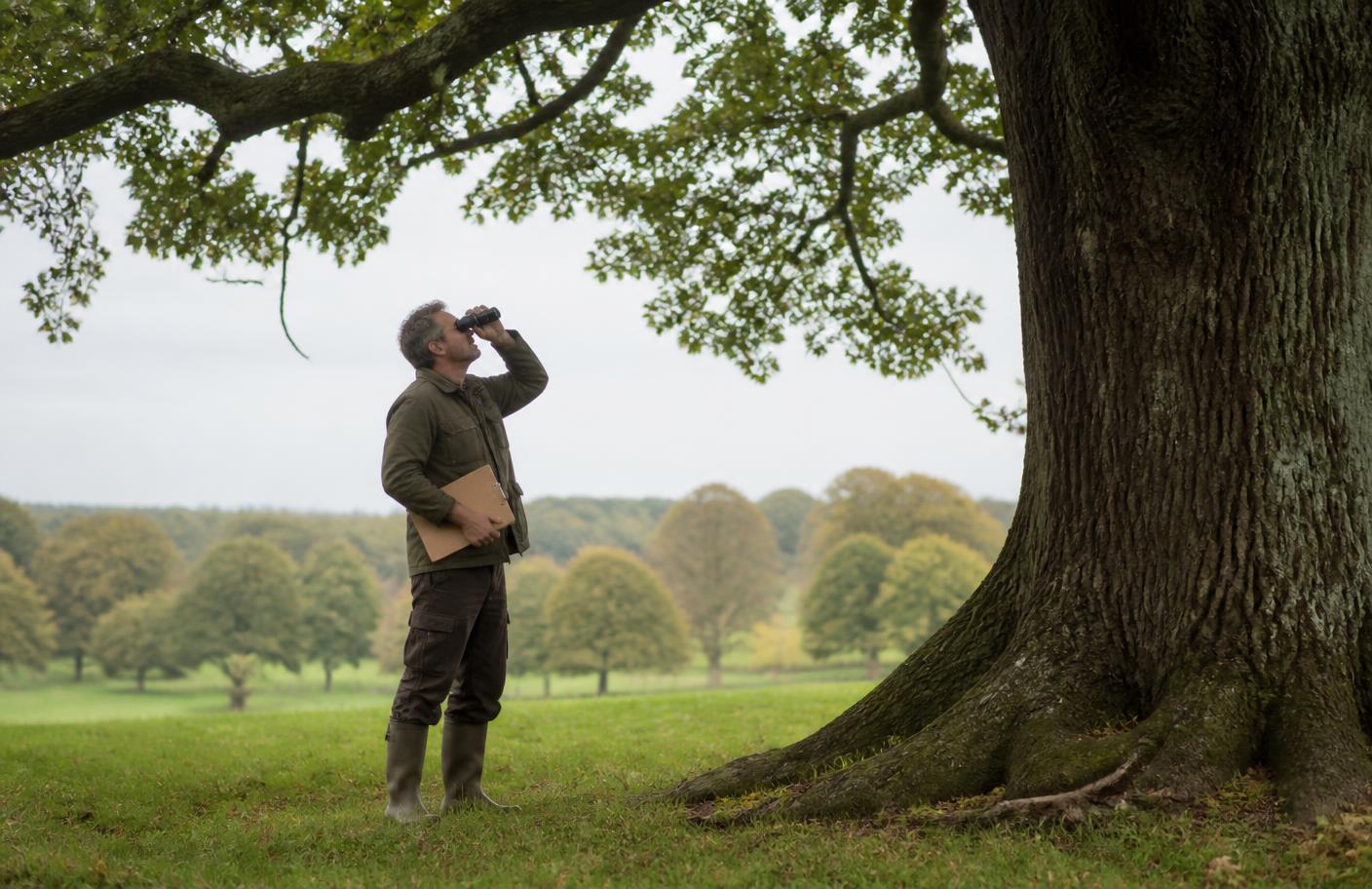
Across a portfolio, the practical problem is consistency: the same standard of inspection, the same records and the same contractor instructions on every site, whoever is on the ground that day.
Site pressures
What makes this setting different
Multi-site consistency
Different sites, different contractors and different site managers produce inconsistent records unless the process is defined centrally.
Auditable documentation
You need to be able to show what was inspected, when, by whom and what was decided — across every site.
Contractor control
Grounds maintenance instructions have to include OPM awareness and a works hold during the season.
Escalation clarity
Site teams need a single, simple decision path: what to do, who to tell and when to escalate.
Our approach
How OPM management works for facilities managers
Scaled to the number of oaks on site and the way people actually use the ground beneath them.
- 01Portfolio-level oak inventory with consistent tree referencing across sites
- 02Standardised inspection protocol and reporting format
- 03One-page site-team escalation guidance and contractor briefing template
- 04Prioritised inspection schedule based on exposure rather than site size
- 05Consolidated annual reporting with priority trees carried forward
The framework
The seven-step management framework
The same structure applies across sectors; the emphasis and timing change.
- Step 1
Oak Tree Inventory
Establish what you actually have: every oak, its location, approximate size and the ground use beneath it.
- Step 2
Baseline OPM Survey
A first full inspection across the inventory, recording activity, nests and feeding damage tree by tree.
- Step 3
Risk Classification
Rank trees by exposure and observed activity so attention concentrates where people and trees meet.
- Step 4
Seasonal Monitoring
Repeat inspection at the life-cycle stages that matter, with findings recorded against the same tree records.
- Step 5
Intervention Where Required
Act where exposure justifies it — exclusion, nest management or professional removal — not everywhere by default.
- Step 6
Documentation
Keep a defensible record of what was inspected, what was found, what was decided and who was informed.
- Step 7
Annual Review
Review the season, adjust priority trees and inspection timing, and carry the record forward.
Next steps
Identification and official reporting
Not sure what you've found?
Ask an OPM Expert
Send clear photographs of the tree, the caterpillars or the suspected nest and our team will give you an initial visual opinion to help you understand your next steps.
Photo identification is preliminary and may not always be conclusive. A professional site inspection or official confirmation may be required.
Think it may be OPM?
Email Us Your Photos
Email photographs of the tree, the caterpillars or the suspected nest directly to advice@oakprocessionarymoth.co.uk, along with the site postcode and what sits beneath the tree.
We aim to respond within 48 hours. Photograph only from a safe distance.