Professional support
Request professional OPM support
Most enquiries begin with a conversation about the site rather than a quotation. Tell us what you have and where it is, and we will tell you what a sensible response looks like.
Getting in touch
What to include in your enquiry
- Site name, address and postcode
- Approximate number of oak trees involved
- Where the trees sit relative to people: paths, play areas, parking, seating
- What you have seen, and when you first noticed it
- Whether you have already emailed photographs to our team
- Any photographs you have been able to take safely
We aim to respond within 48 hours.
Enquiries
Email the OPM team
advice@oakprocessionarymoth.co.ukProfessional inspection, monitoring and nest management is delivered by qualified OPM specialists working to current UK guidance.
Scope
What professional support covers
OPM Surveys
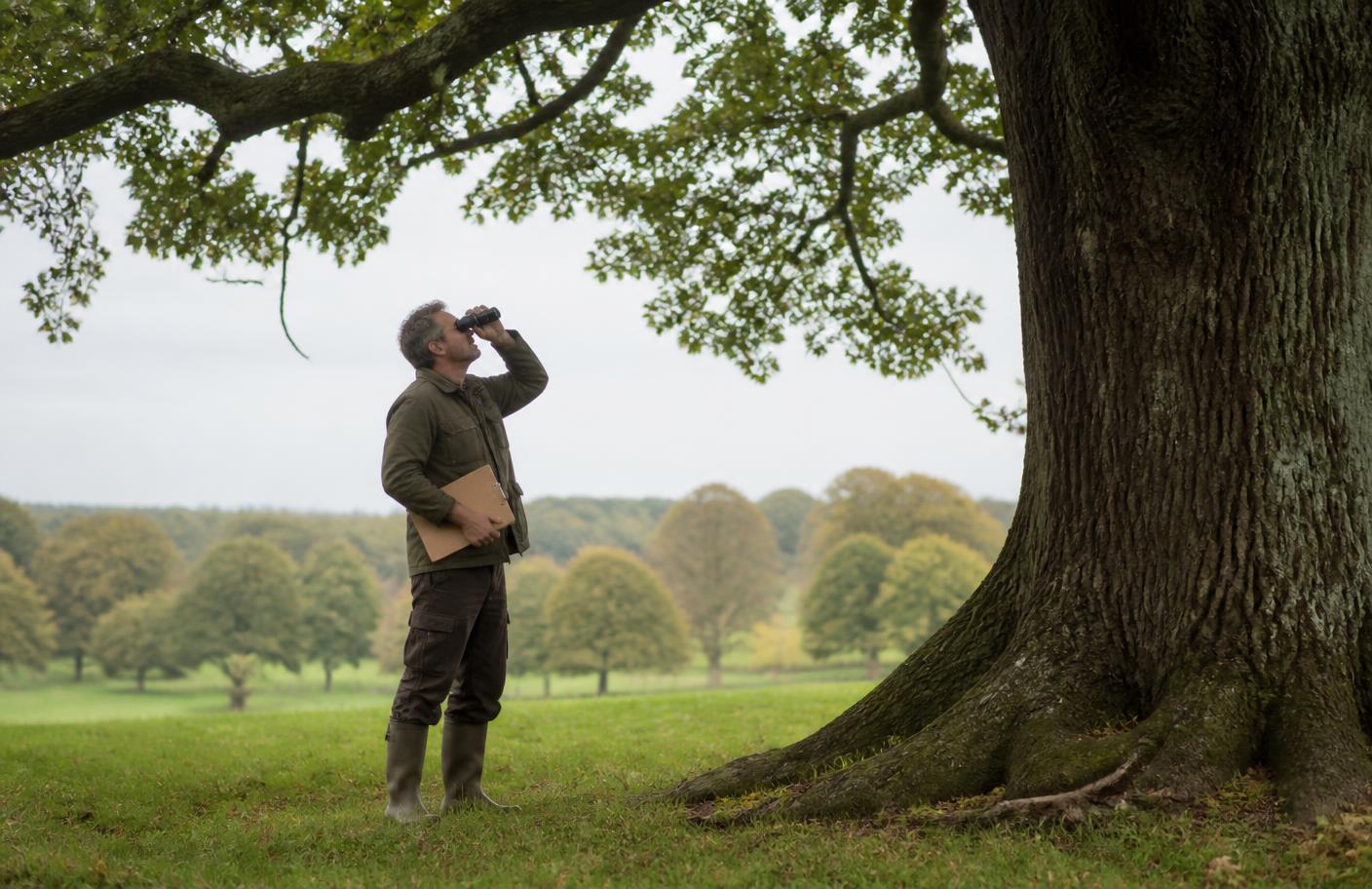
Professional visual inspection of oak trees from ground level, with binoculars where canopy height requires it, recording activity, nests, feeding damage and position relative to people.
Oak Tree Mapping
Identifying and recording every oak across a larger property so inspection is repeatable, nothing is missed between seasons, and findings can be compared year on year.
Risk Assessment
Classifying oak trees by observed activity, public exposure, tree location, how the site is actually used and the resulting potential risk — so effort goes where it matters.
Seasonal Monitoring
Repeat inspection timed to the relevant stages of the OPM life cycle rather than to fixed calendar dates, because emergence follows the season locally.
Pheromone Monitoring
Pheromone traps can indicate adult male flight activity on a site and help inform monitoring decisions. They are a monitoring tool within a wider strategy — they do not control or eliminate OPM on their own.
Nest Management
Assessing where intervention or professional removal is appropriate, based on exposure and access rather than the presence of a nest alone. Removal is specialist work with respiratory and skin risks.
Exclusion Areas
Temporary, proportionate access control around higher-risk trees — practical barriers, signage and route changes that people will actually follow.
Annual Management Programmes
Structured plans for organisations managing multiple oak trees, covering inspection timing, thresholds for action, documentation and annual review.